BraveVista
Platform
Home
Our privacy policyTerms & conditionsHow we use cookies
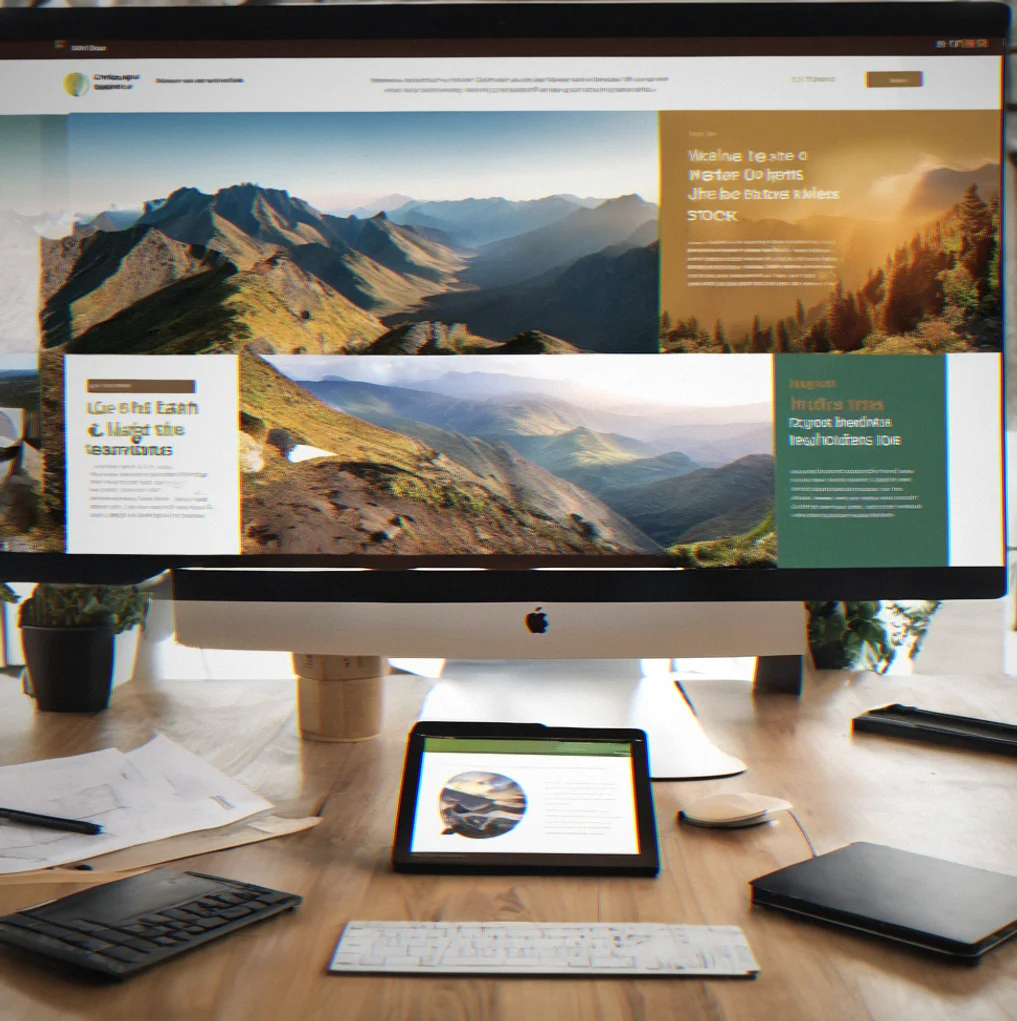
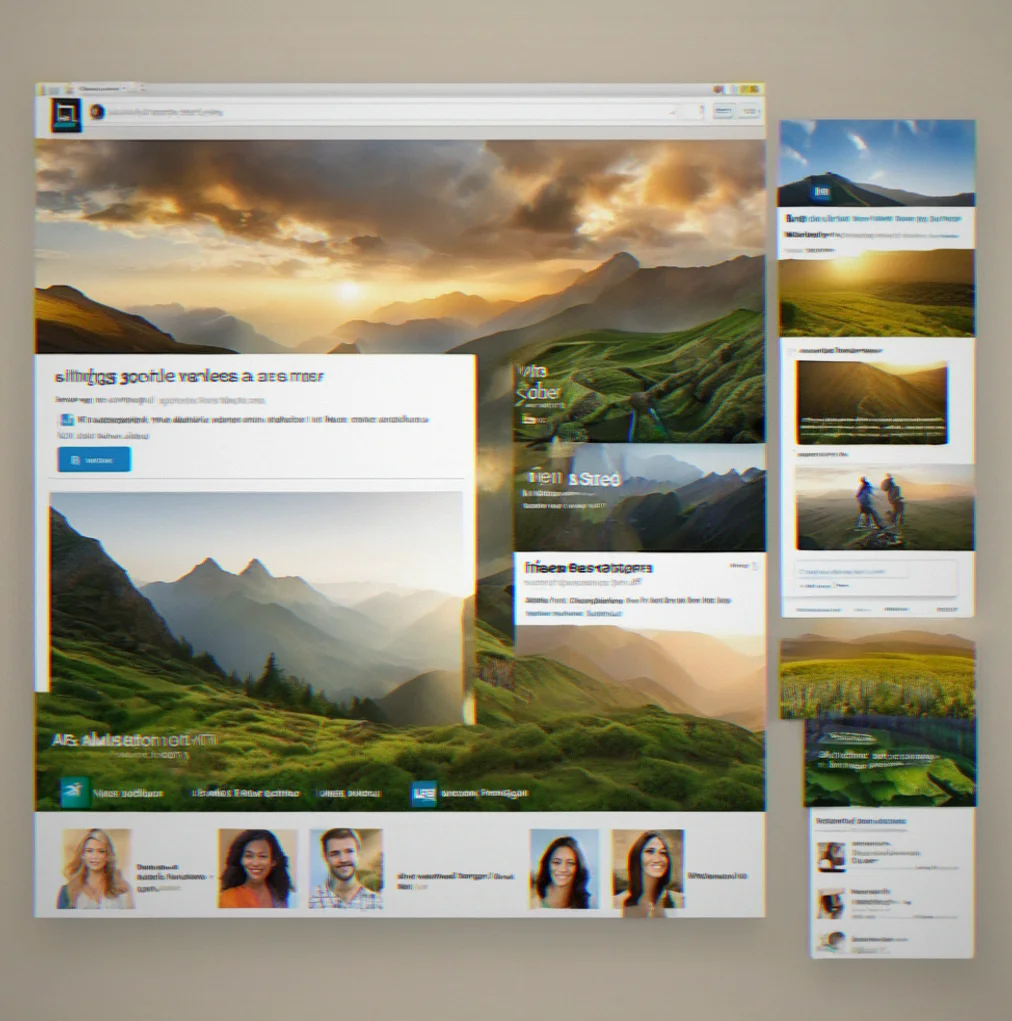
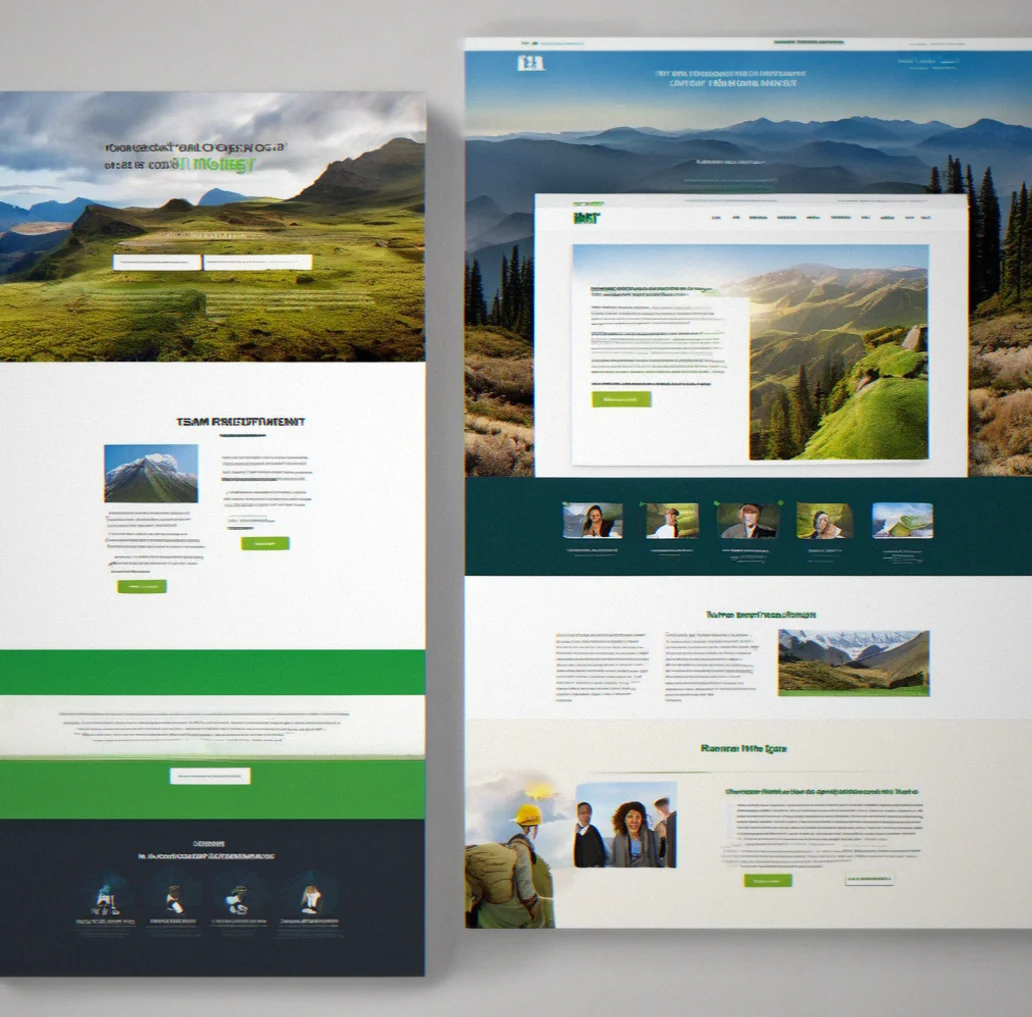
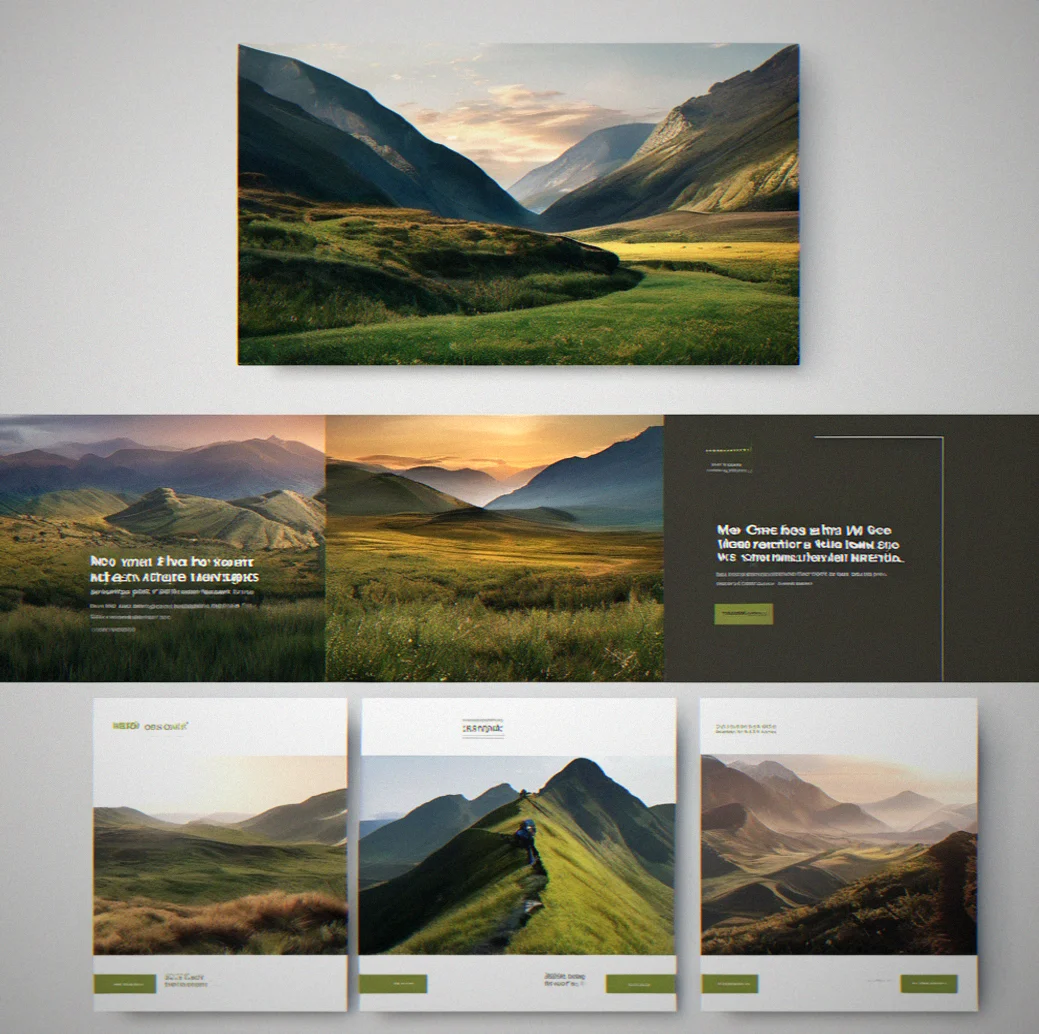
Executive reviewing strategic positioning materials and cinematic brand guidelines on desktop and tablet

Position yourself for scale

Design that closes enterprise deals

Cinematic branding and messaging that shows buyers and talent you can operate at their level.

Mid-market and growth-stage firms in consulting, tech, and professional services live or die on execution. Your brand signals whether you can actually deliver at enterprise scale. That matters when deals are on the line.

Firms with cinematic branding see conversion rates jump 23 to 40 percent. The difference isn't just how it looks. It's that clarity about who you serve, how you're different, and what you actually deliver shows up everywhere—website, pitch deck, case studies, the story you tell about your team.

We've spent five years working with firms between ten million and two hundred million in revenue. We build the positioning layer that turns polish into closed business and hired talent.

Understanding positioning

What buyers actually see versus what you can do

Your firm handles complex work across the board. Enterprise buyers and investors haven't caught on yet. They're comparing you to five or eight other firms that look just like you on paper—same credentials, same background, same people. They need to believe you're the one who'll actually deliver. That belief comes from how you talk about your strategy, what makes you different and what you've built. This isn't about pretty visuals. It's about proof. When your messaging, design, case studies, and pitch decks all tell the same story about what you do and who you do it for, people move faster. Candidates want to work there. Your positioning finally matches what you can actually do.

23–40%
Inquiry coonversion bumps when firms bring their brand system into alignment
50–500
Typical headcount for the mid-market and startup clients we work with

What actually moves the needle

Four areas where positioning directly impacts results for mid-market companies.

Executive reviewing sales pipeline and deal timeline metrics on dashboard

Deal velocity

Enterprise buyers make their shortlists based on how clearly you explain what you do and what sets you apart. When your positioning is sharp—and you're saying the same thing on your website, in pitch decks, and in case studies—evaluation cycles get shorter. You're looking at 30 to 40 percent faster, which means your team closes sooner.

Investor presentation materials and financial projections displayed on laptop screen

Investor confidence

When your pitch deck, founder story and market positioning all point to the same thing—scale, execution, market fit—investors stop second-guessing you. You're not just a solid firm with a confusing market position. You're a scaled operator focused on a specific vertical or set of verticals. That shift changes your valuation.

Team members collaborating in modern office environment with brand identity materials visible

Talent recruitment

Good candidates look at your firm and ask themselves if they can grow there. Polished branding signals you know what you're doing. It shows strategy without being loud about it. Your positioning becomes a reason senior people take the job.

Pricing proposal document and contract negotiation in professional setting

Premium pricing

Here's the straightforward part. Firms with clear positioning and a mature brand typically charge 15 to 25 percent more than competitors without a clear story. Clients pay for clarity. When your brand shows you understand the market and can deliver at scale, price stops being the conversation.

Positioning in action

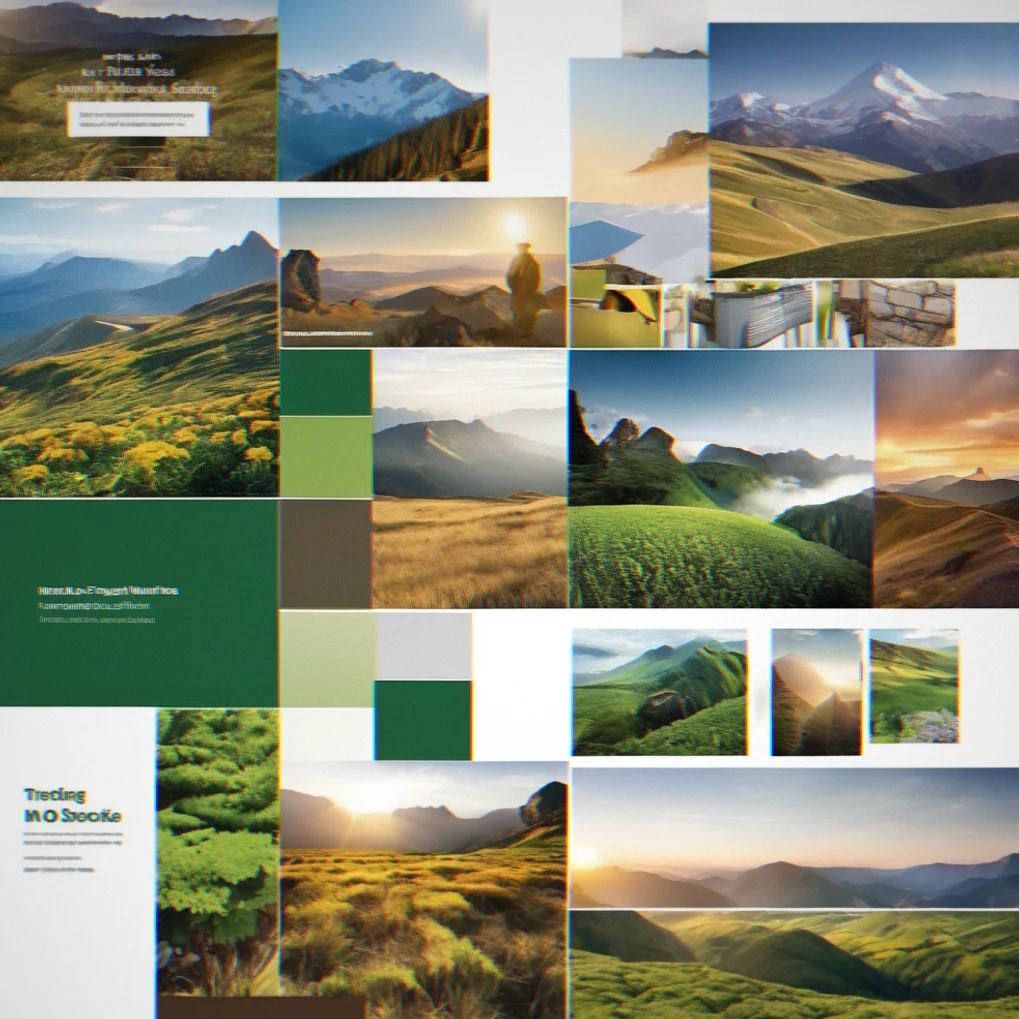
See how mid-market companies actually show their strategy and what sets them apart — through investor decks, case studies, brand guidelines, and pitches. These are the real results when positioning work gets done right.

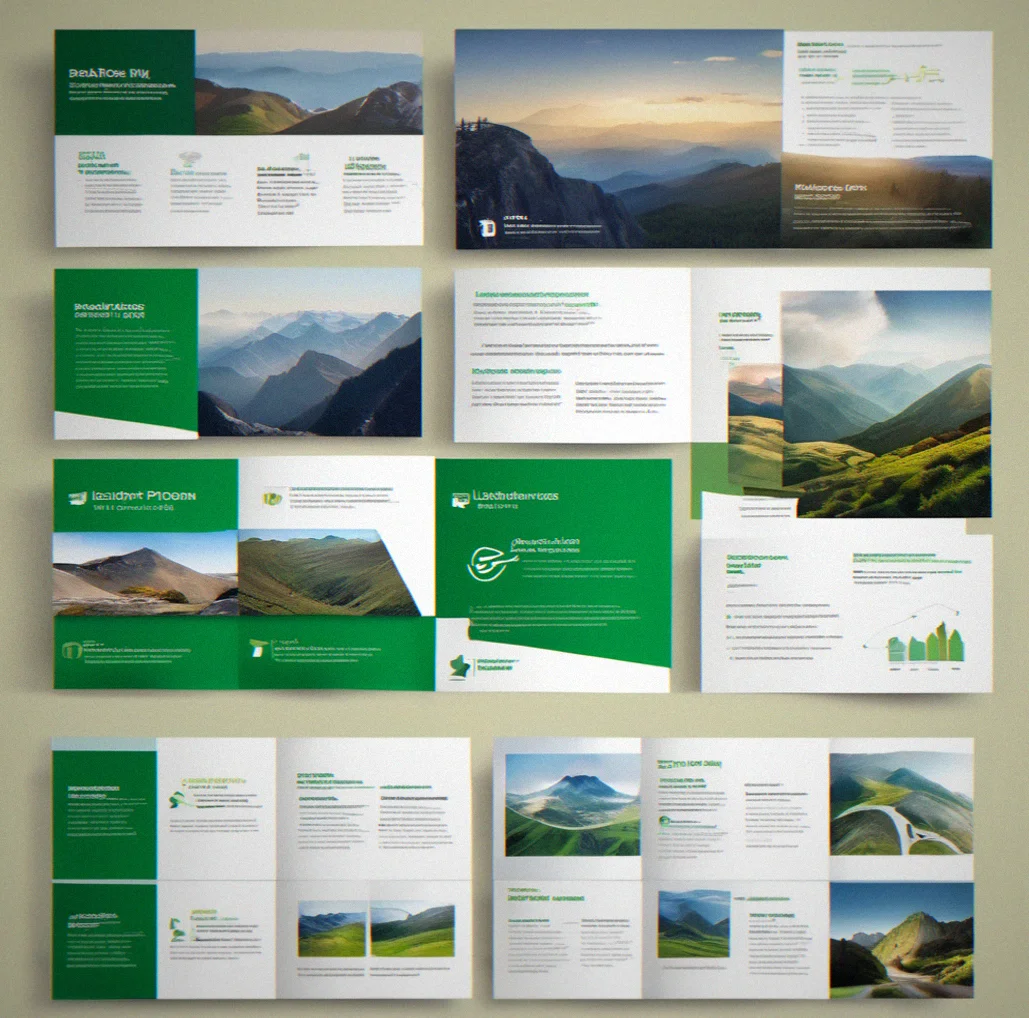
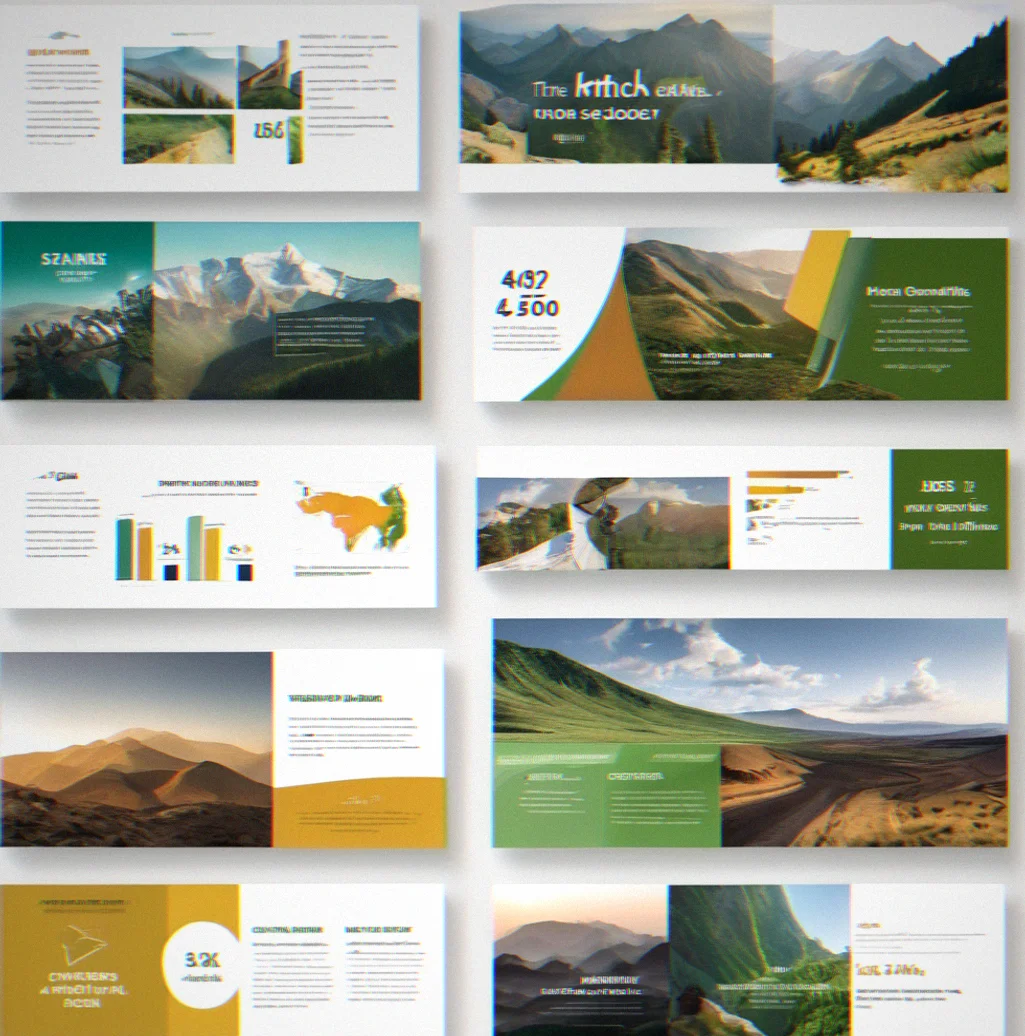
Pitch deck displayed in a conference room, all the visuals and messaging working together to tell a unified story
Case study showing what the client achieved, how they did it, and why it mattered — all with thoughtful design
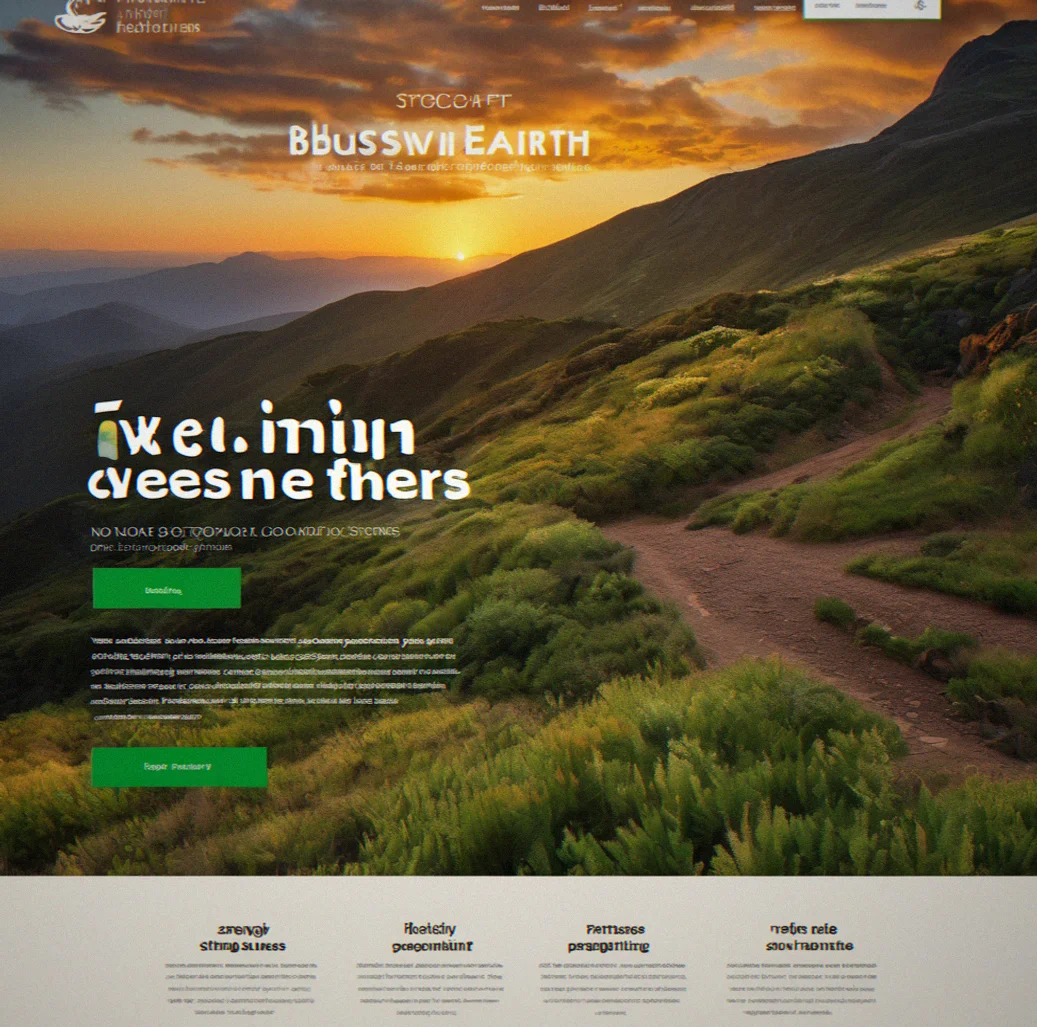
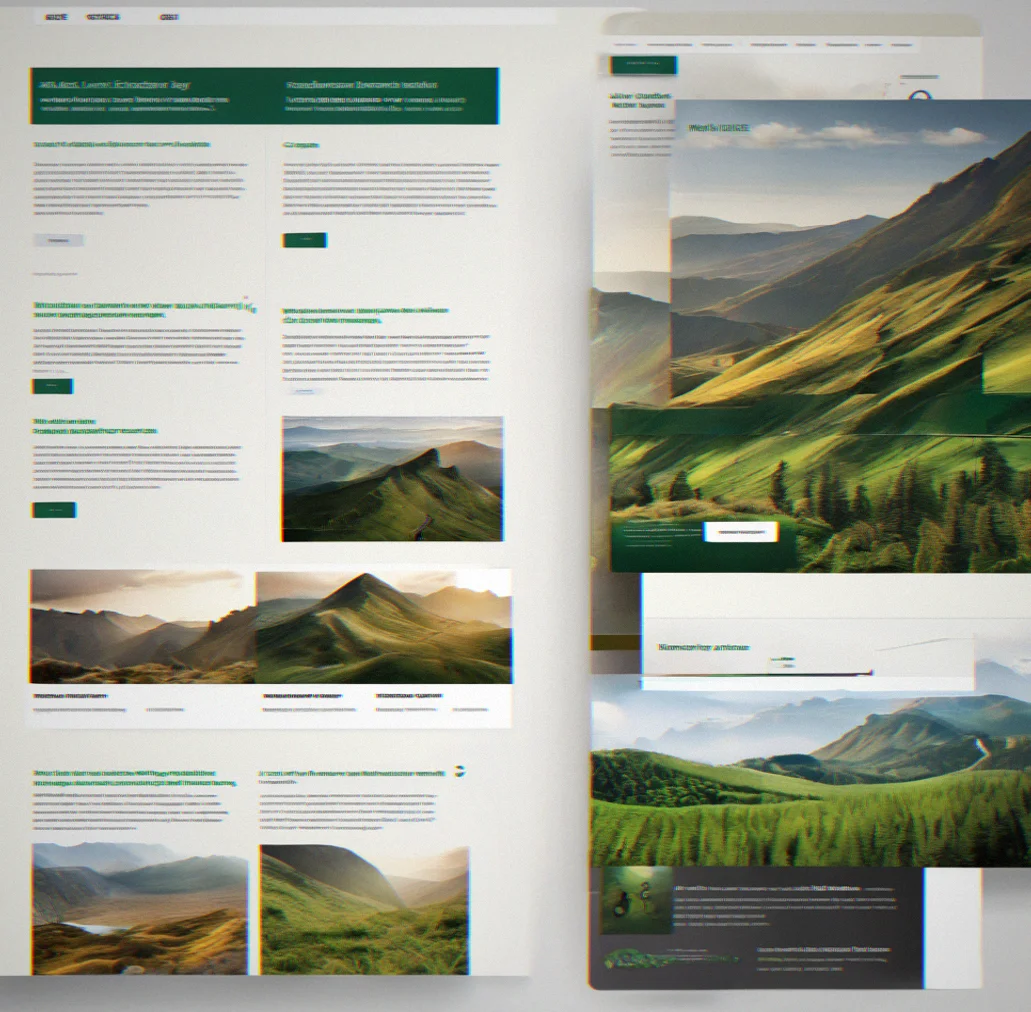
Website homepage with a strong headline, trusted client names, and an image that makes people stop and look
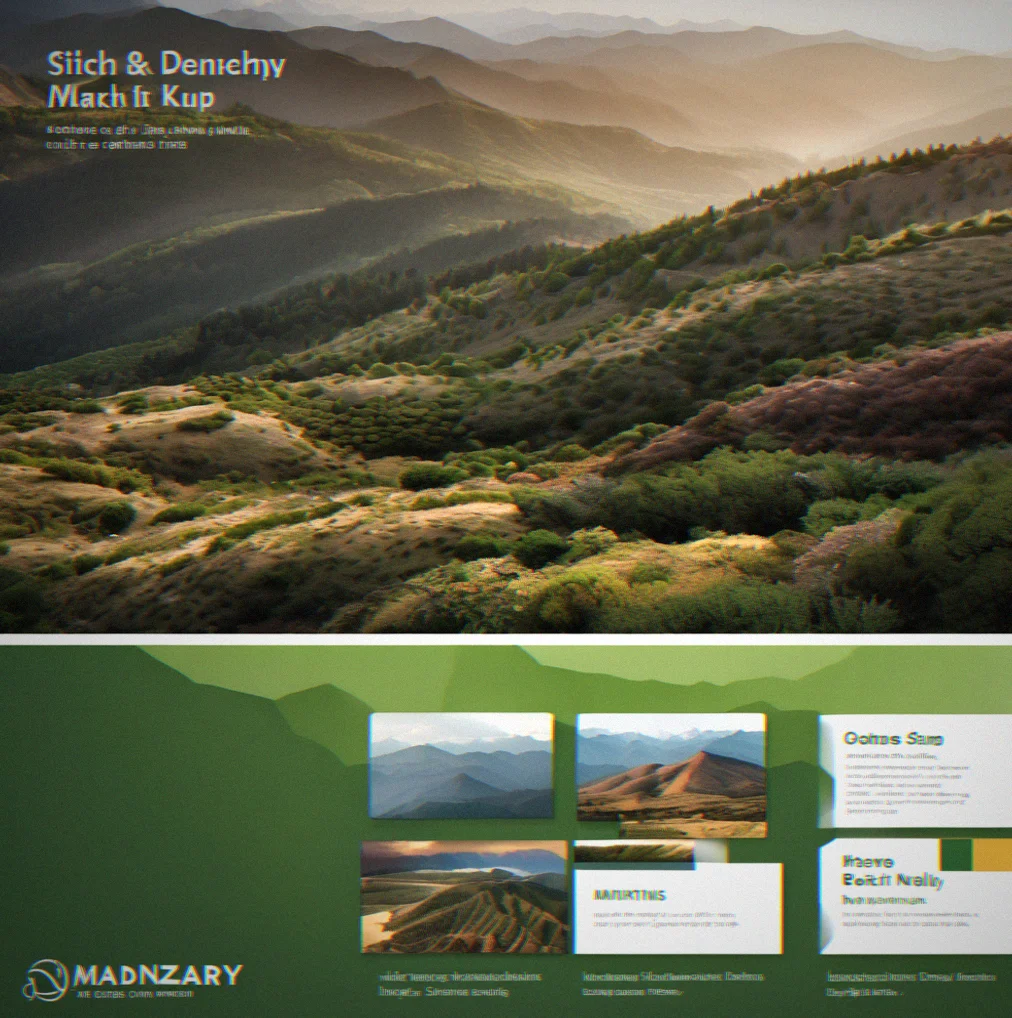
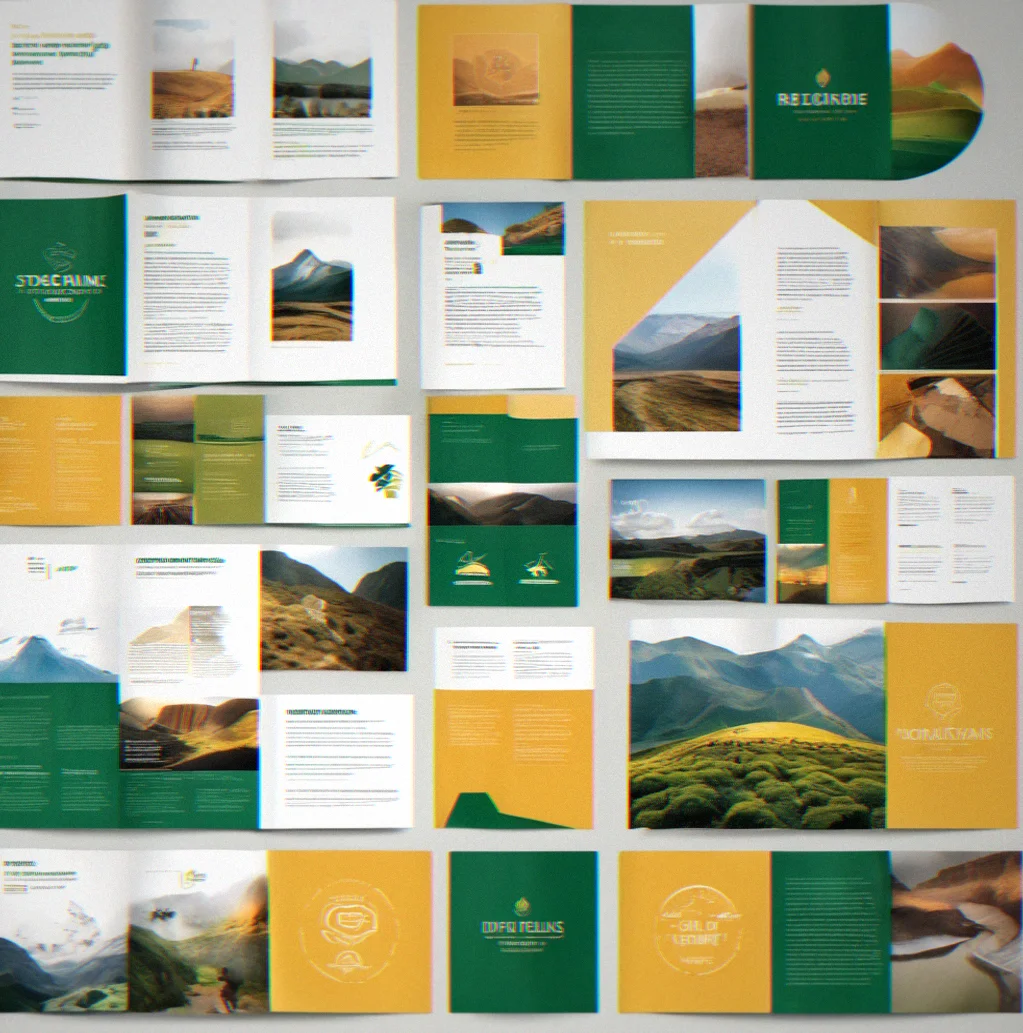
Brand guidelines laying out the logo, colors, typefaces, and how to talk about the company so everything stays consistent
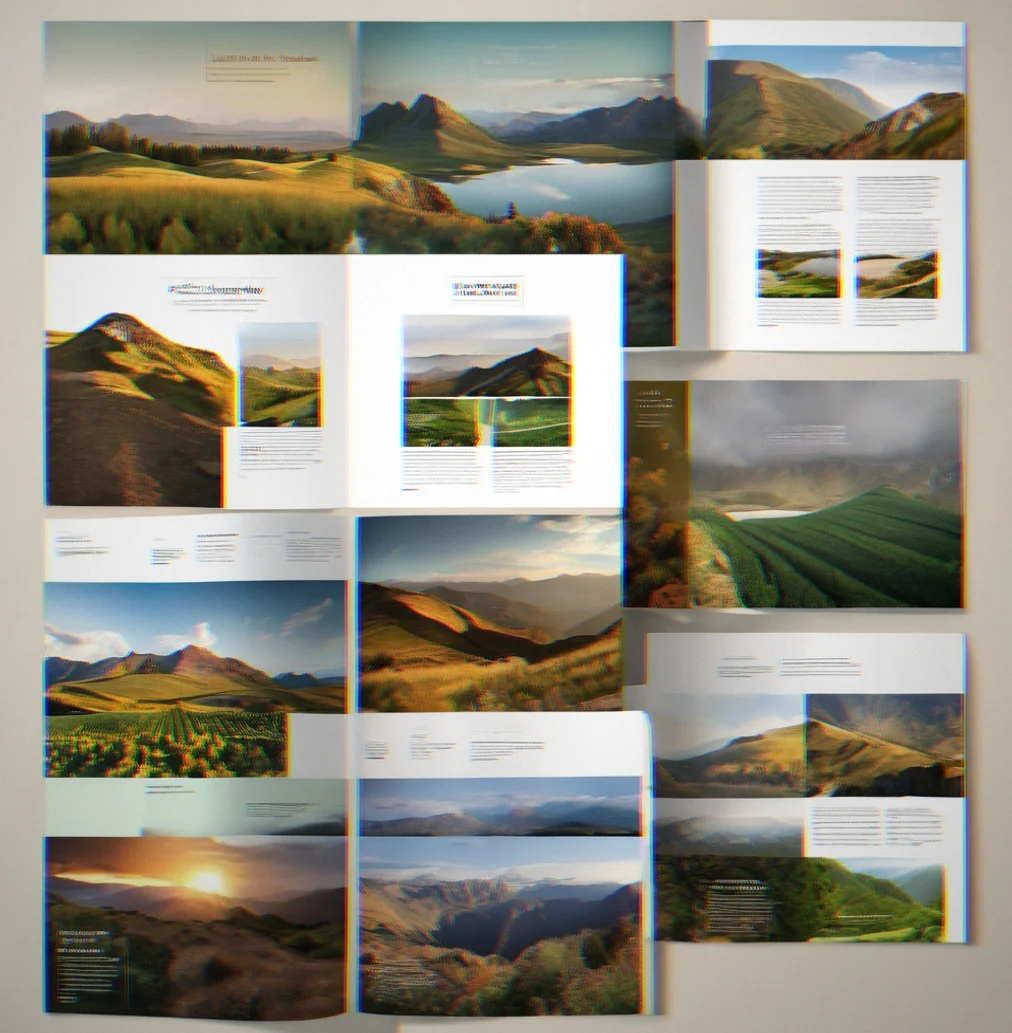
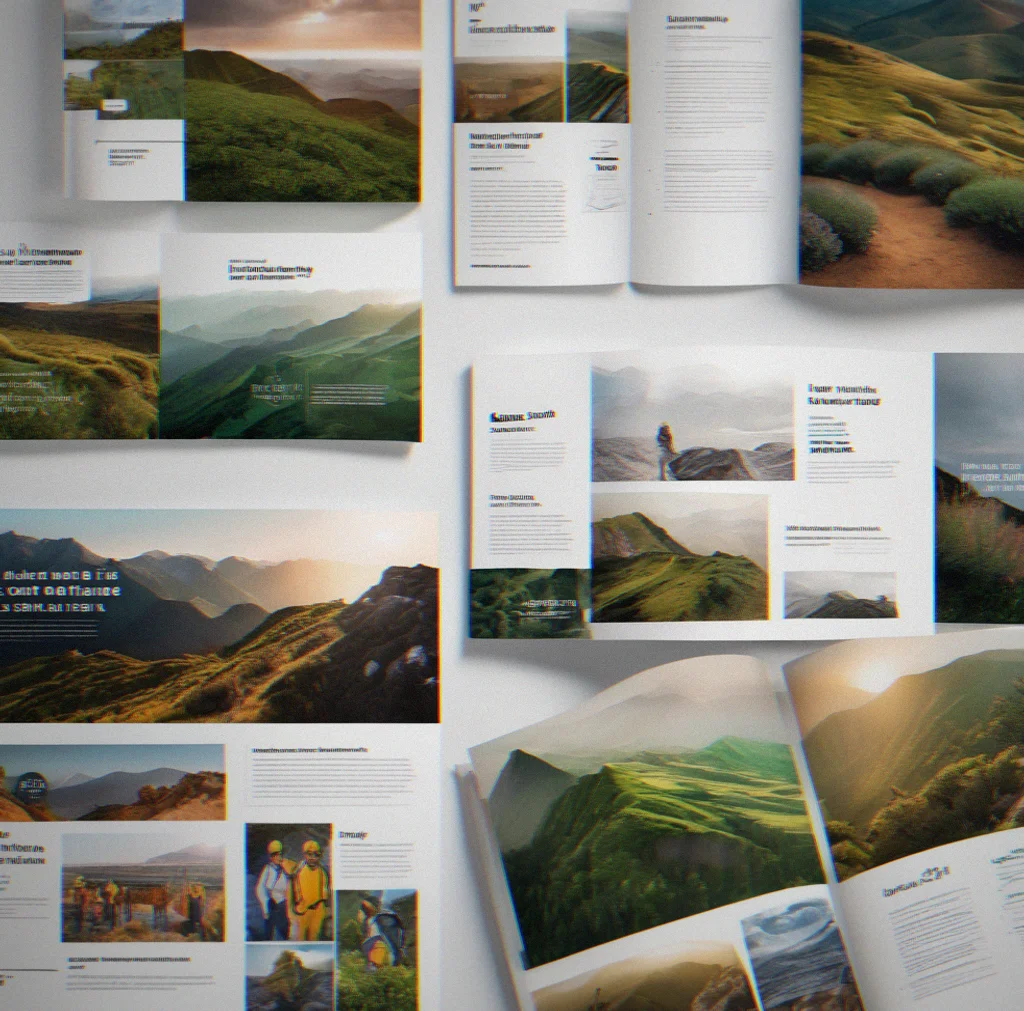
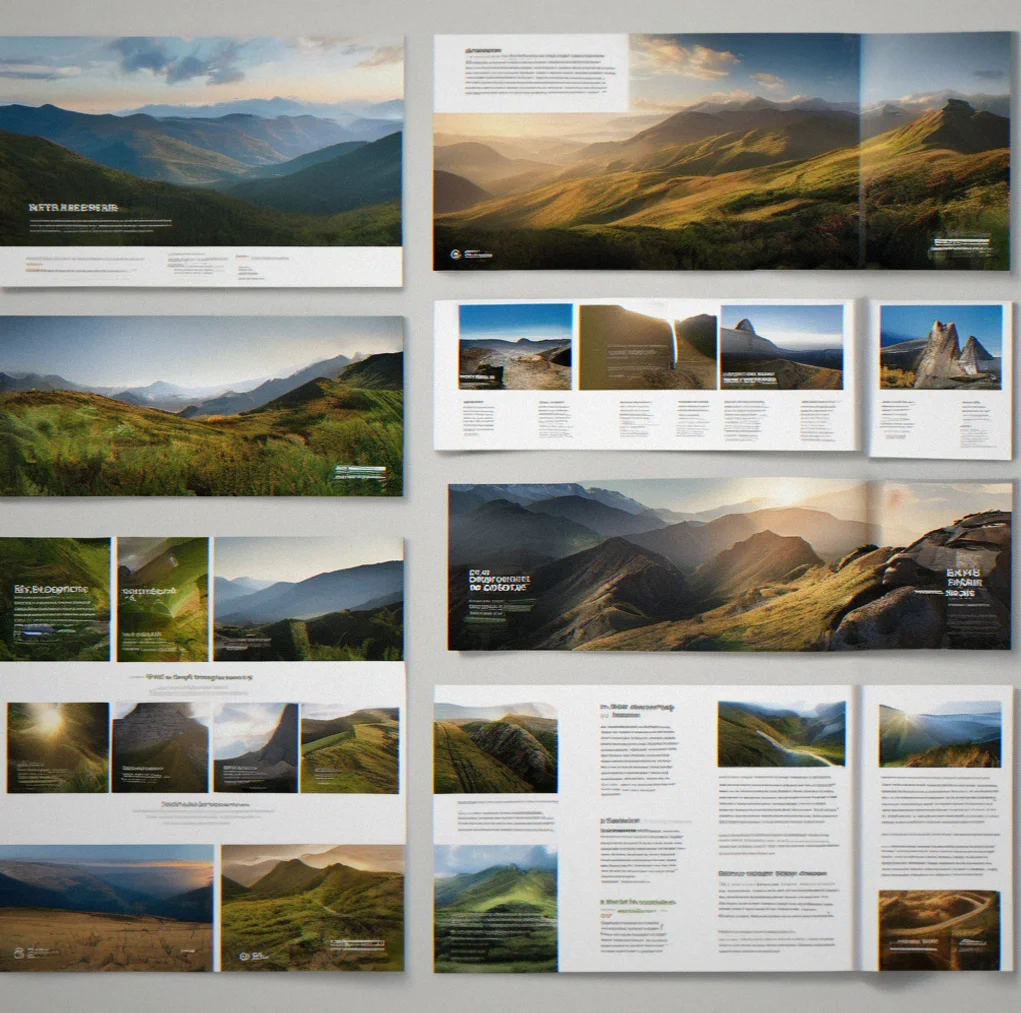
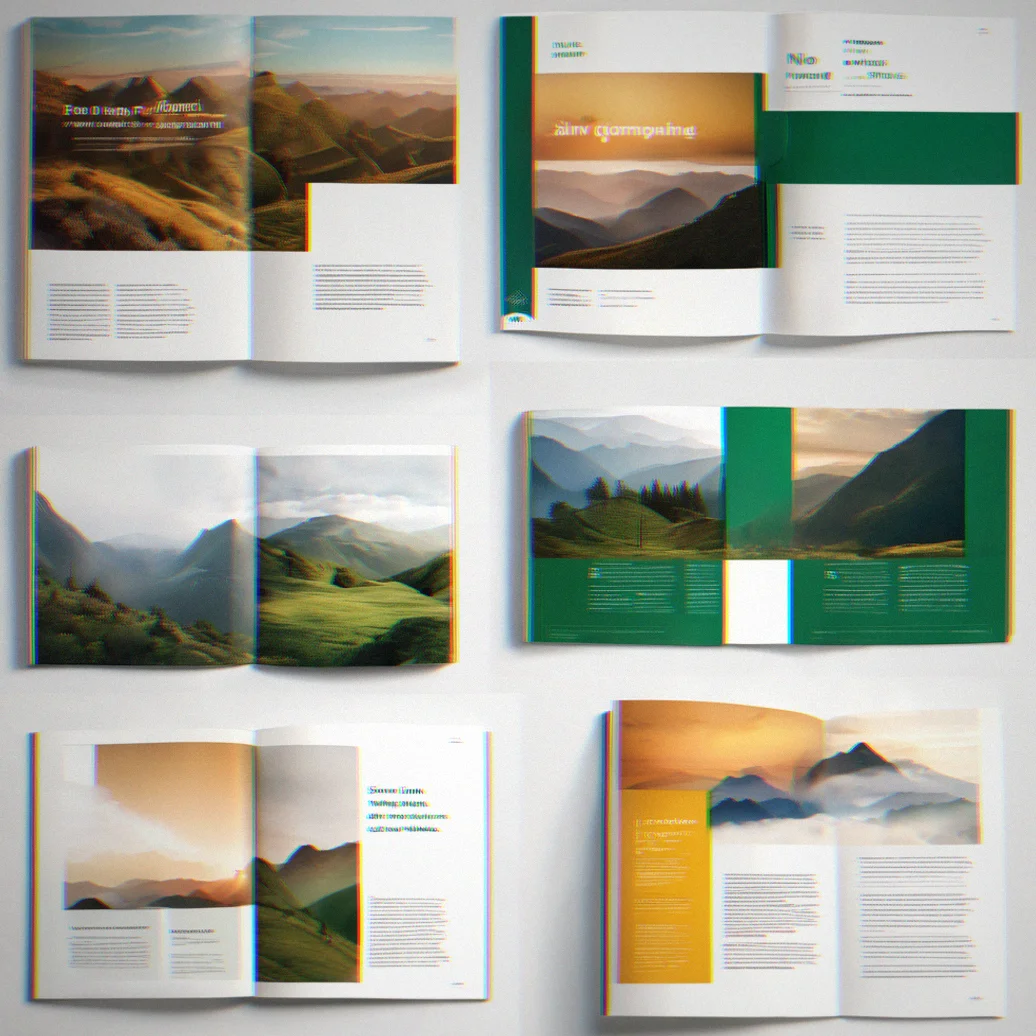
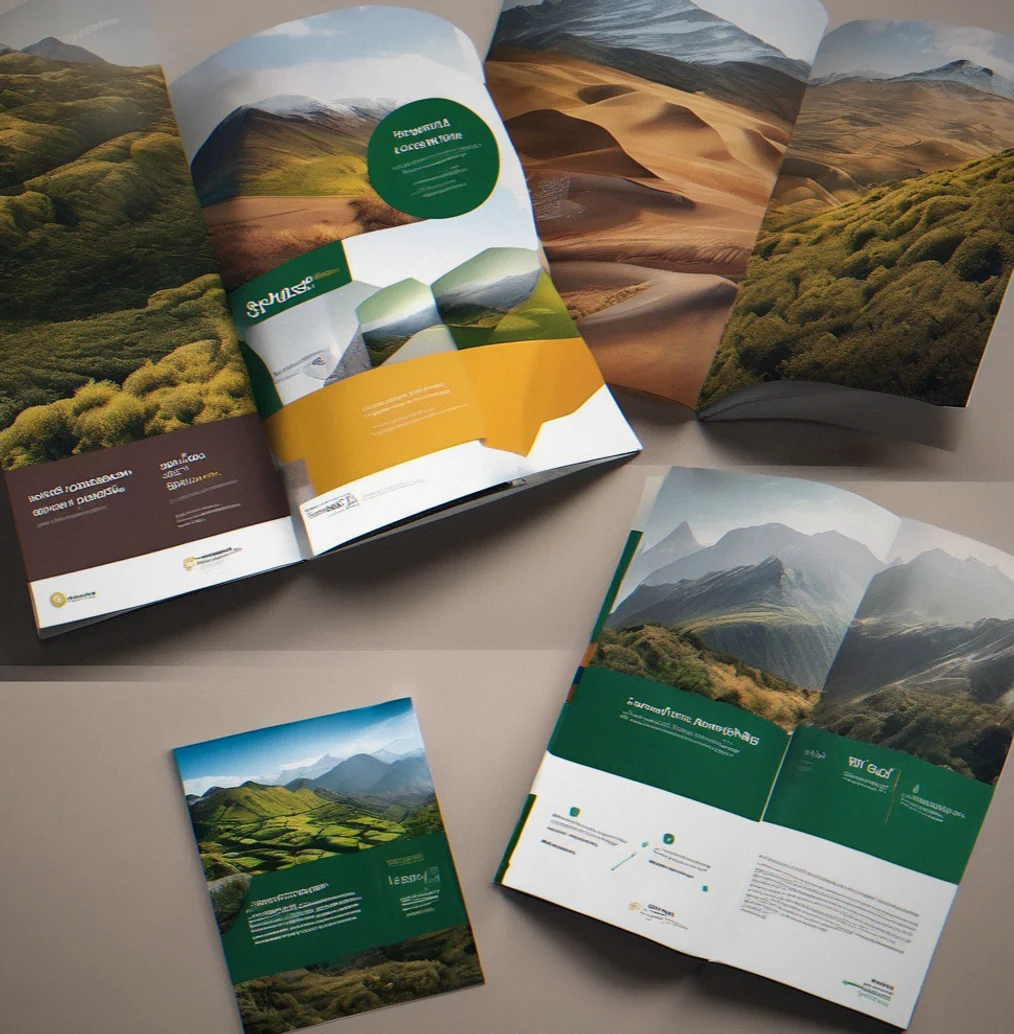
Printed presentation materials with team photos, what the company offers, and how it stacks up against competitors
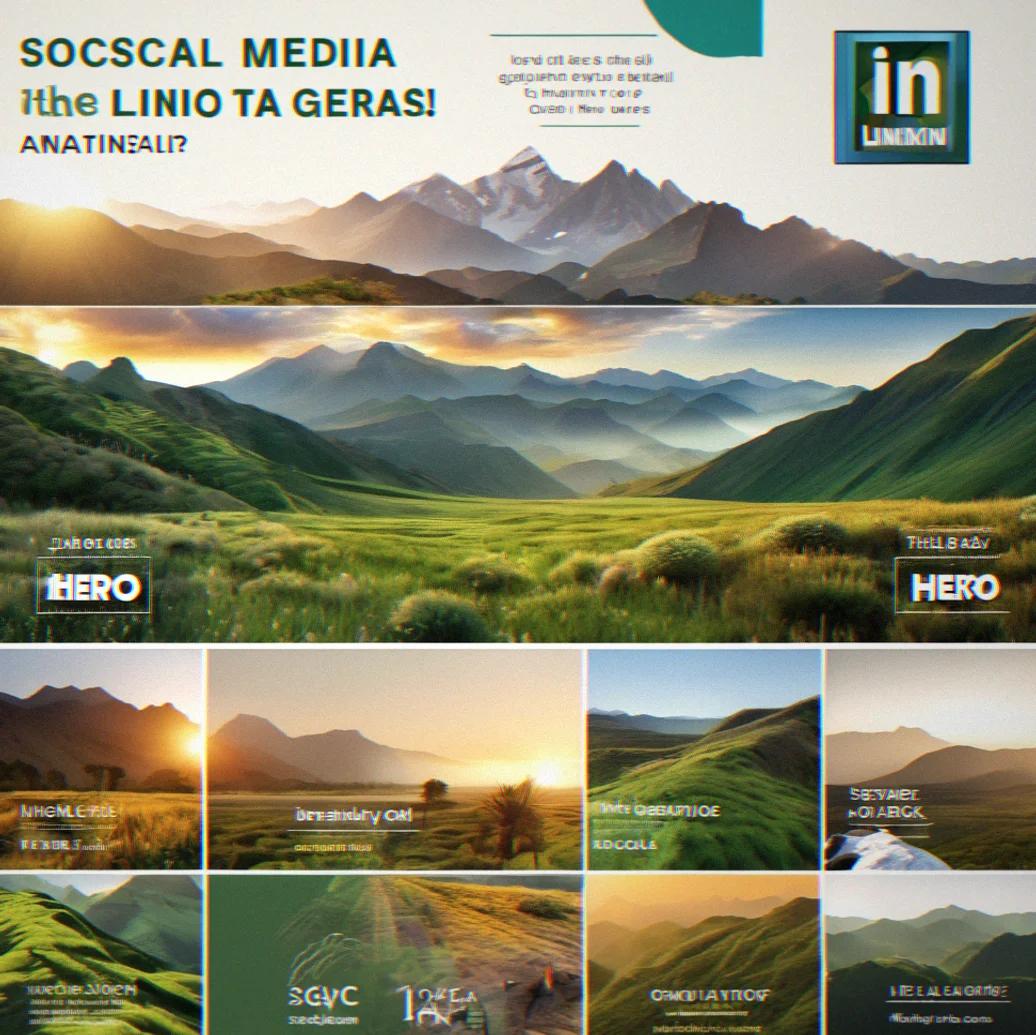
Social media graphics and a LinkedIn header that all feel like they came from the same place, telling the same story
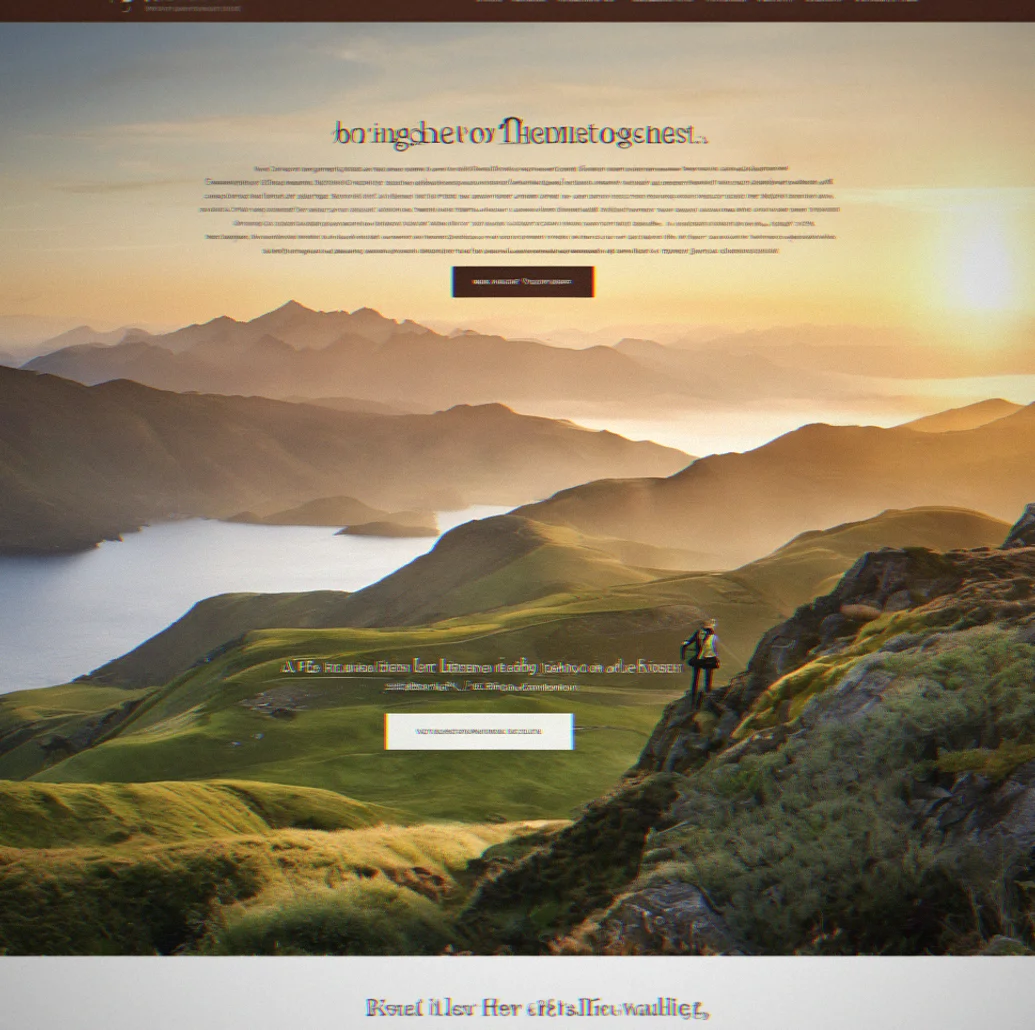
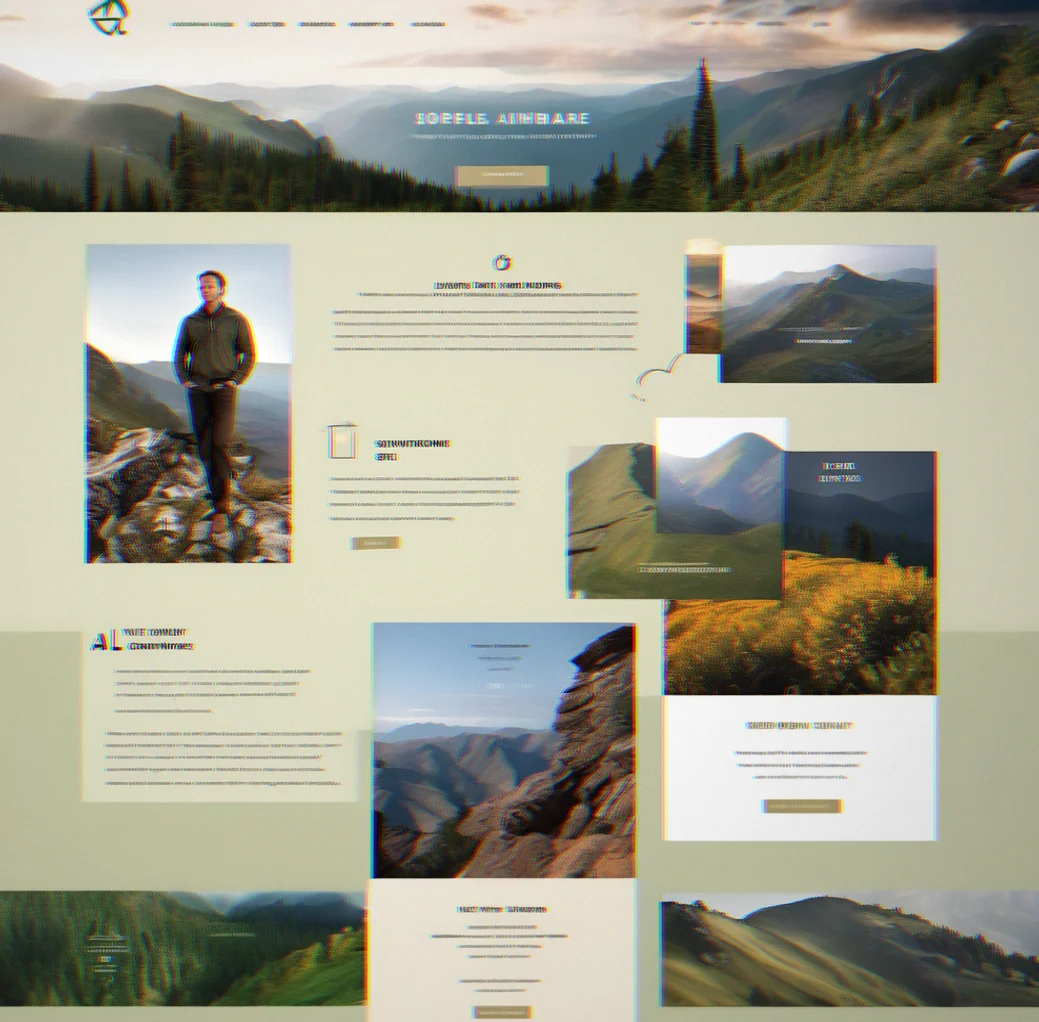
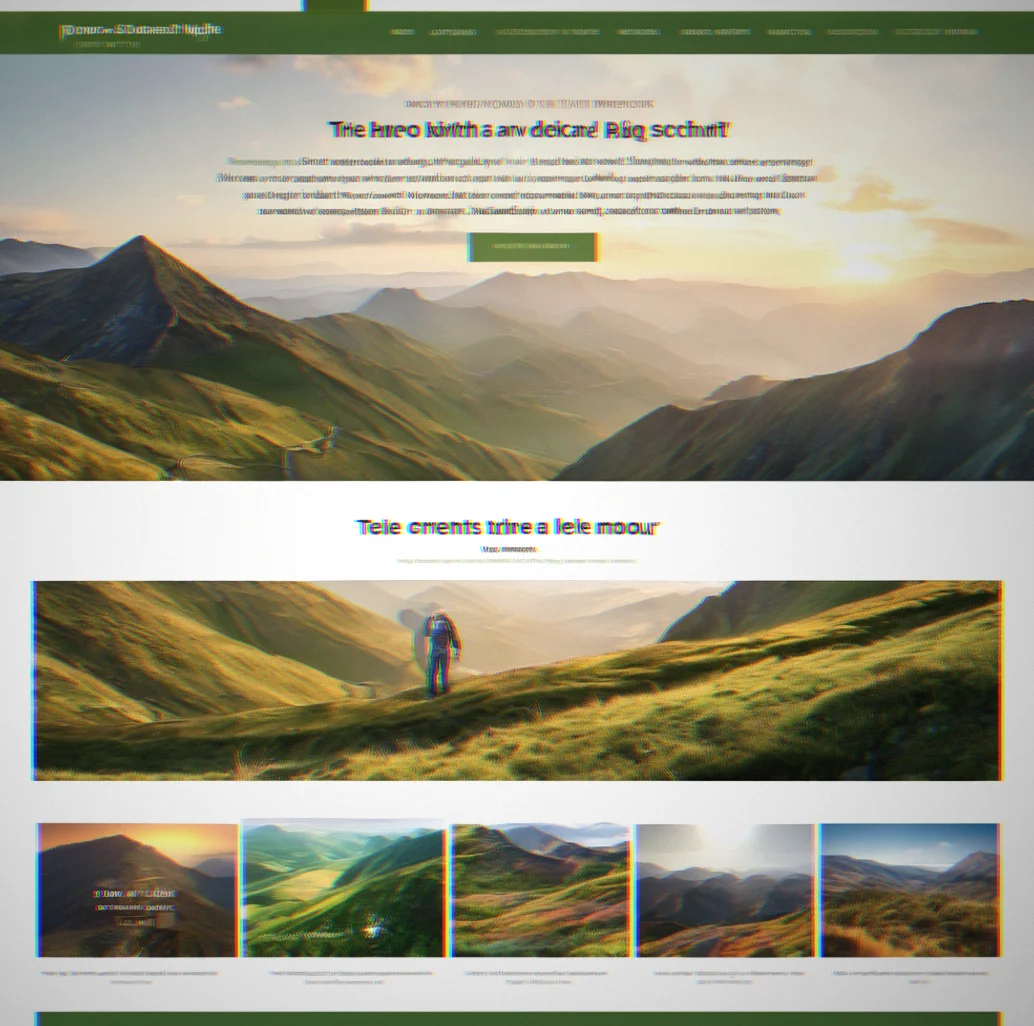
Clean, professional website homepage for a B2B consulting firm with a dramatic hero image that immediately communicates their value
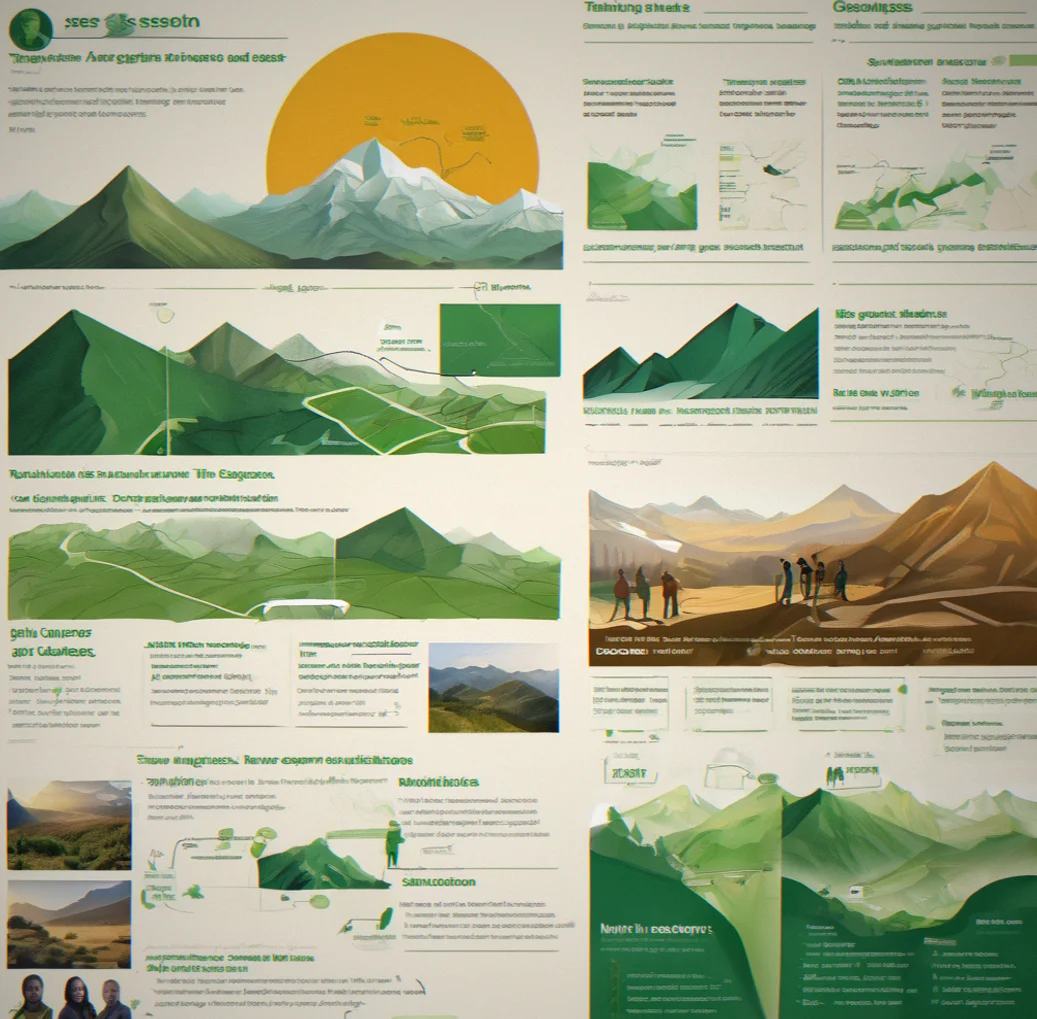
Pitch deck slide laying out where they sit in the market, what sets them apart, and the numbers that back it up, all tied together visually
Case study showing the problem a client faced, how they tackled it, and actual results. The layout is sharp and easy to follow
Brand guidelines covering how the logo works in differenf contexts, the color system, and how to talk about the company consistently
LinkedIn profile header and posts that feel cohesiive and position them as someone worth listening to in their field
Printed materials like folders and bsuiness collateral that reinforce who they are and what they can do
Team page with photos and bios of the leadership, presented in a way that fits the overall brand identity
Email templates and marketing materials that look and sound the same everywhere customers encounter them
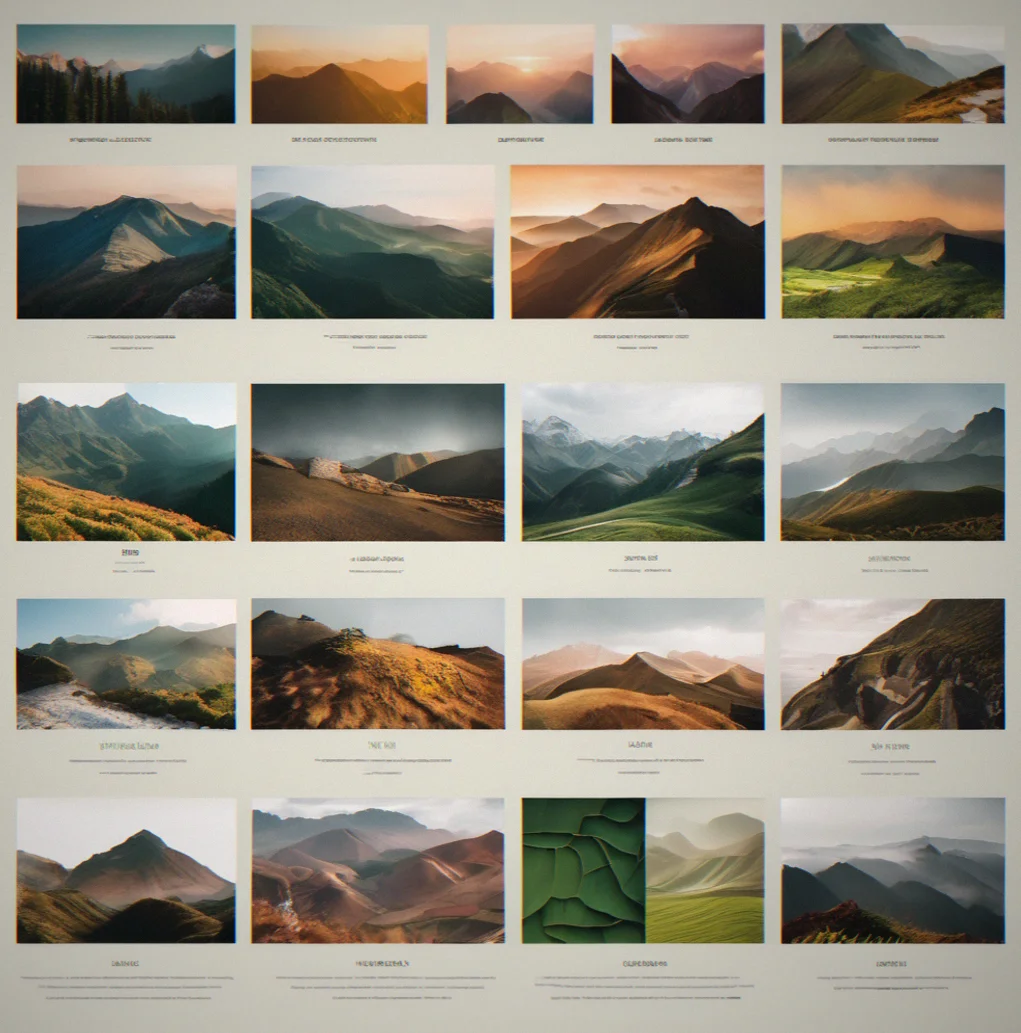
Gallery of past client work with logos, project scope, and what they delivered. Shows they can handle real work at scale
Clean, professional website homepage for a B2B consulting firm with a dramatic hero image that immediately communicates their value
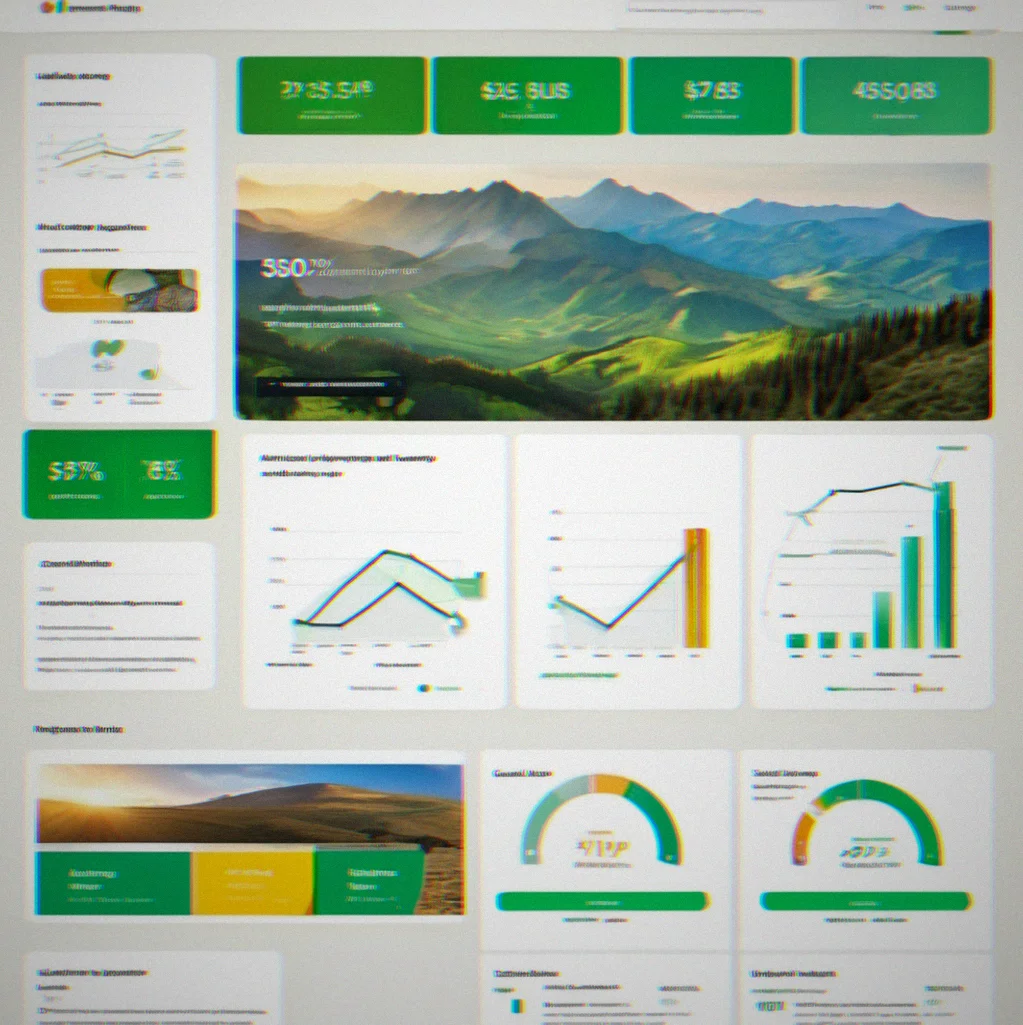
Dashboard showing increased inquiry conversion metrics and sales pipeline acceleration over time

Inquiry conversion lift

Companies using cinematic brand systems typically see between 23 and 40 percent higher inquiry conversion rates from enterprise buyers. Here's why: when positioning, messaging, and visuals all tell the same story about what makes you different, prospects move faster through their evaluation. Credibility compounds when everything points the same direction.

Strategic messaging document with key positioning statements, value propositions and narrative architecture

Strategic messaging framework

You get a written positioning narrative that works everywhere—website, pitch decks, case studies, investor materials, recruiting pages. No improvisation. A single coherent story about what you do, who you serve and why you're different.

Brand guidelines showing color palette, typography samples, logo variations, and photography style

Visual identity system

A full brand system including logo, typography, color palette, imagery guidelines, and motion principles. Built to show sophistication and execution capability. When everything looks intentional and consistent, people trust you more.

Professional pitch deck slides with cohesive visual design and strategic positioning narrative

Investor materials

Pitch decks, financial summaries, and founder narratives that speed up due diligence and take friction out of valuation. Your positioning becomes the investment Thesis. Investors see a firm that understands its market and can scale—not just competent, but intentional.

Case study page layour with client challenge, approach, and quantified results displayed with professional design

Case study architecture

Real outcomes, documented process, measurable impact. Case studies that actually work because they prove your differentiation through what clients achieved. Not generic case study templates—actual client wins.

Team recruitment landing page featuring leadership credentials, company culture, and career opportunity positioning

Talent recruitment advantage

Good candidates want to join firms where they can actually grow. Clear positioning and a polished brand signal maturity and market confidence. Senior hires especially look for this—they want to know the firm knows itself. Your positioning becomes a recruitment asset.

Pricing proposal and service offering document with premium positioning and value articulation

Premium pricing support

Firms with strong positioning and sophisticated branding charge between 15 and 25 percent more than generic competitors in their space. Clients pay for clarity. When your positioning proves you understand the market and execute better than alternatives, the price becomes justified.

Executives looking over brand positioning and strategy documents at a table
How positioning sets you apart

Why mid-market firms can't skip on strong branding

Enterprise buyers look at three things when they're evaluating a service firm: can you do it, have you done it before, and can you handle the scope. You probably check all thoes boxes. So do most of your competitors. That's when buyers start paying attention to the signals instead — how polished your pitch is, how clearly you explain what you do differently, whether your brand looks consistent across your website and every other place they see you. Those signals decide if you make the shortlist or get passed over.

With cinematic branding, every place a buyer encounters you tells the same story. Your website. Your case studies. Your pitch deck. Your LinkedIn. They all say the same things about who you work with, what you deliver and what makees you different. When that narrative is tight, buyers and investors move faster. They sense you're operating at scale and you know what you're doing. That matters more than you'd think.

This isn't about making things look pretty. It's the positioning work that transforms a solid firm into one that gets noticed, gets chosen, and charges premium rates. Consulting firms, tech service companies and professional services shops doing somewhere between 10 million and 200 million annually see real gains in deal flow, inquiry conversion, and hiring quality within half a year of putting a real positioning and brand system in place.


23–40%

How much inquiry conversion rates jump for firms that nail their positioning

50–500

Typical headcount for the mid-market and growth-stage companies we work with

Work across the positioning stack

Positioning isn't one thing. It's your pitch deck, your website, case studies, brand guidelines, investor materials, recruiting pages—everything saying the same thing about who you are. Here's how it actually comes together.

Homepage with a strong hero image, clear explanation of what you do, and logos of big clients you've worked with
Pitch deck showing the same look throughout, your market position, growth numbers, and what sets you apart from competitors
Case study showing the project, how you approached it, what the results were, and the impact
Brand guidelines laying out your logo, colors, fonts, photography approach and how to talk about what you do
01

Real-world application

Building a positioning framework that actually drives deals

Most mid-market service firms can't explain what makes them different in a way that clicks with enterprise buyers. The issue isn't what you can do. It's how you talk about it. You handle sophisticated work. You have the proof. But when a prospect is weighing you against five other capable firms, they need a reason to pick up the phone. That reason comes from positioning—basically, how clearly you say what you do, who you do it for and why that matters.

Positioning starts with a diagnostic. We look at what you're saying across your website, pitches, case studies, and investor materials. What we usually find is the same message scattered four different ways, or missing entirely. Then we create a single positioning framework. One strategic story that works everywhere you show up. Not marketing fluff. Real statements about your market, what you can actually do, and what actually changes for clients.

The rollout moves quickly. Your website leads with differentiation instead of generic features. Case studies stop being recaps and start explaining why you were the right choice and what shifted. Pitch decks sync up with your brand look. LinkedIn bios match the positioning. Most firms see real results within a few months. Better leads. Faster sales. Easier hiring. The thing that matters is consistency. Every piece of content tells the same story, and that repetition is what makes it stick.

Team session mapping out current messaging afross website, pitch materials, and marketing

Team session mapping out current messaging afross website, pitch materials, and marketing

Positioning framework document with core narrative, key claims, and messaging structure for enterprise and investor outreach

Positioning framework document with core narrative, key claims, and messaging structure for enterprise and investor outreach

Updated case studies and pitch decks showing consistent brand approach and aligned positioning across all materials

Updated case studies and pitch decks showing consistent brand approach and aligned positioning across all materials

Q
Common questions

Positioning and branding work

What changes when you work with us. How the timeline breaks down. What you can expect to see.

We don't start with how things look. We start with positioning—what you actually do, who you serve, and what makes you different. Then design, messaging, and case studies follow from that. Most brand work skips positioning entirely and just polishes the surface. We flip that.
Usually around three to four months from start to launch-ready work. Weeks one through three are diagnostic and positioning workshop. Weeks four through eight cover design system and messaging. Website, case studies and collateral get built out in weeks nine through fourteen. Final pass and documentation wrap up in the last couple weeks. You can move faster if needed. Most teams don't.

Firms with cinematic positioning see better inquiry conversion. Quality lifts within two months of launch. You start seeing deal cycle compression around the three-month mark. Revenue attribution depends on how long your sales cycle is—if you're looking at six to twelve months, quarter two is when you'll see clear impact.

Build positioning around what's actually true. Emerging capability, specific vertical, unique approach, founder story, market insight. We've worked with young startups and mid-market firms entering new spaces. Positioning has to be credible and defensible. It doesn't need a long track record.

Not usually. Positioning requires an outside view—you're too embedded in your own story. Design execution matters too. Firms often try it solo, get stuck, and bring someone in anyway. We can hand over the framework if you want to try, but the real value is in doing the work.

Leadership needs roughly ten to twelve hours across three workshops for positioning. Another four to five hours for interviews and feedback on website and case study strategy. After that it's mostly review and approval. Total commitment spreads across four months and doesn't usually disrupt normal operations.

You get comprehensive guidelines—visual system, messaging templates, case study framework, photography direction. That becomes your reference. Most teams maintain consistency on their own after launch. We recommend a brand audit at the one-year mark to spot any drift, then refresh every two to three years as your market position shifts. Clients often come back for investor materials, new service launches or recruiting campaigns.

Full engagements for mid-market firms usually land somewhere between sixty-five and one hundred fifty thousand depending on what's involved—whether you're starting fresh or refining what exists, how many case studies, website scope. We also do positioning-only work in the fifteen to twenty-five thousand range for firms that already have direction. We work with what you have in your budget.